Cleanups often start with good intentions but quickly turn into stressful tasks when clutter, debris, and time constraints pile up. Whether the task involves organizing a workspace, efficiency matters. A well-planned cleanup saves time, reduces stress, and keeps momentum going from start to finish. Many delays happen not because the work is difficult, but because the process is inefficient. Knowing how to prepare, what steps to take, and how to manage waste can make a noticeable difference. With the right approach, even large cleanups can feel manageable and productive.
At Sullivan's Dumpster Rental, helping people complete cleanups efficiently is a core part of what we do. A smooth cleanup is about more than just removing unwanted items; it is about creating a system that works efficiently. When waste is handled properly, progress happens faster. Cleanups become less exhausting when every step has a logical flow. Planning ahead allows you to focus on the task itself rather than logistical issues. This guide breaks down effective strategies to streamline your next cleanup from start to finish.
Create a Plan Before You Start Cleaning
Every successful cleanup begins with a plan that outlines the scope of the project. Without a clear direction, it is easy to waste valuable time. Identifying the areas to be cleaned and setting priorities helps keep efforts focused. Breaking the project into smaller sections prevents burnout and confusion. A structured approach allows steady progress instead of rushed decisions. Planning also helps anticipate the type of waste that will be generated.
A plan also helps determine the best order of operations. Tackling larger or messier areas first often makes the rest of the cleanup feel easier. Knowing where items will go before starting reduces unnecessary handling. This preparation minimizes pauses during the project. When each step is intentional, efficiency improves over time. A clear plan sets the tone for a smoother cleanup experience.
Organize Items Before Disposal
Sorting items early in the cleanup process saves effort. Separating items into categories such as retain, remove, or dispose helps maintain organization. This step prevents confusion once removal begins. Handling items only once reduces fatigue and keeps momentum going. Sorting also makes it easier to identify what truly needs to be removed. The clearer the categories, the faster decisions are made.
When sorting is skipped, cleanups often slow down due to repeated decisions. Pausing repeatedly to decide what to do with each item interrupts workflow. A structured sorting system eliminates hesitation. It also helps prevent clutter from being moved without purpose. With clear categories, each item has a destination. This clarity keeps the cleanup moving efficiently.
Create an Efficient Cleanup Workspace
An organized workspace makes cleanup tasks less stressful. Clearing pathways and designating staging areas reduces unnecessary movement. Tools and supplies should be well organized to avoid constant searching. When everything has a place, productivity increases. An orderly setup also reduces the risk of accidents or damage. Organization supports a steady and focused workflow.
Workspace organization also helps manage fatigue and efficiency. When movement is efficient, less effort is wasted. This is especially important during larger cleanups that require sustained effort. Keeping the workspace tidy throughout the process prevents clutter from rebuilding. Small adjustments can have a big impact on efficiency. A clean workspace supports a faster cleanup overall.
Plan Your Waste Disposal in Advance
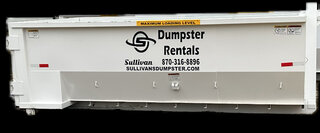
Choosing an effective waste removal method is essential for more info a smooth cleanup. Piling debris in multiple areas slows progress and creates obstacles. Centralizing waste disposal allows continuous work without interruption. Sullivan's Dumpster Rental provides dumpster rental solutions that support efficient waste handling. Having a designated place for debris eliminates the need for repeated trips. This approach keeps the cleanup moving forward.
An organized disposal strategy also helps maintain order and control. Debris left scattered can cause delays and hazards. A centralized solution keeps the area clear and manageable. This efficiency is especially valuable during time-sensitive projects. With waste removal handled properly, focus remains on the task at hand. The cleanup feels controlled rather than chaotic.
Divide the Cleanup Into Manageable Sections
Breaking a cleanup into sections makes the project feel more manageable. Completing one area at a time provides visible progress. This sense of accomplishment keeps motivation high. Section-based work also helps track what has already been completed. It prevents areas from being overlooked or revisited unnecessarily. Momentum builds when progress is clear.
Working in sections also improves focus. Each section can be tackled with a specific goal in mind, helping tasks stay clearly defined from start to finish. This structure prevents tasks from blending together and causing confusion. It also allows for short breaks between sections without losing focus. Organized progress keeps energy levels balanced and reduces unnecessary fatigue. With support and planning aligned through Sullivan's Dumpster Rental, the cleanup becomes more manageable and efficient.
Minimize Interruptions During the Cleanup
Interruptions can significantly disrupt any cleanup project. Stopping frequently to reorganize materials breaks workflow and reduces efficiency. Preparing tools, supplies, and disposal options ahead of time helps eliminate these interruptions. A continuous workflow allows tasks to be completed efficiently. Staying focused also reduces mistakes and rework. Minimizing interruptions keeps the cleanup on track.
Clear communication among everyone involved also helps reduce delays. When roles and responsibilities are well understood, work flows more smoothly. This coordination prevents missed steps. A well-coordinated cleanup feels structured. Fewer interruptions lead to better use of time. The entire process becomes more streamlined.
Complete the Cleanup With a Final Pass
A final sweep ensures that no loose materials are left behind. This step helps catch items that may have been missed during the main cleanup. It also allows for minor adjustments to organization. Taking time for this final pass adds polish to the results. A thorough finish prevents the need for additional cleaning. The space feels truly refreshed.
Completing the cleanup with intention reinforces the effort invested. A final check confirms that waste has been removed completely. This step also provides closure to the project. Knowing the cleanup is complete brings satisfaction and relief. A strong finish leaves the space ready for its next purpose. The effort feels complete.
Build Habits That Simplify Future Cleanups
Developing smart habits helps future cleanups go more smoothly. Regular organization prevents clutter from returning quickly. Addressing small messes early reduces the need for time-consuming work. Consistency keeps spaces manageable. These habits save time and effort over the long term. Cleanups become less stressful.
Sullivan's Dumpster Rental supports efficient cleanup habits by making waste removal simple and reliable. When disposal is easy, maintaining clean spaces feels more realistic. A streamlined approach encourages proactive organization. Over time, cleanups require less effort and planning. The result is a smoother process every time. Faster and easier cleanups become the standard approach.